Who We Are
About Us
Connected Communities is a conceptual model that aims to help neighborhoods understand how they can adapt so that people of all ages and abilities can thrive together in a long-lived society. It’s a continuum-of-care model that is designed to include comfortable housing in a range of configurations that are affordable for all, and ready access to supportive services and health care. Operationally, Connected Communities elevate person-centered values that prioritize individual preferences and autonomy.
Our Leadership Team wants to work with YOU — and partners you intend to collaborate with in your area. Together we can discuss the first steps in thinking through plans for financing and sustainably operating a mixed-payer initiative that will become a permanent asset for all those who live and work in your area.
Creating one or more Connected Communities involves partnering with local leaders and funders, workforce experts, a range of community organizations and volunteers, housing providers and mission-driven healthcare providers. Reach out and we’ll have a conversation!
Our Leadership team
Anne Montgomery
Co-Author
Joe Angelelli
Co-Author
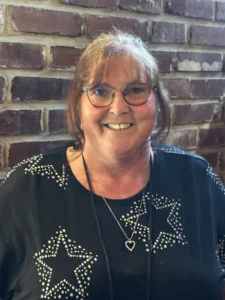
Carrie Leljedal
Carrie Leljedal is a dedicated advocate and mother to a 36-year-old son who lives in an Intermediate Care Facility for adults with developmental disabilities and complex medical needs. As Vice President of Gray Panthers NYC and Co-Chair of Transformation Tuesday, Carrie leads efforts against ageism and champions long-term care reform through a monthly webinar series.
In her role as part-time Program Manager for The Live Oak Project, Carrie focuses on coordinating meetings, educational initiatives, and publicity for the Connected Communities—a transformative initiative reimagining traditional nursing homes into vibrant, community-centered spaces where residents and staff thrive with purpose and dignity. Carrie’s work underscores her unwavering commitment to revolutionizing long-term care and fostering environments of vitality and inclusivity.
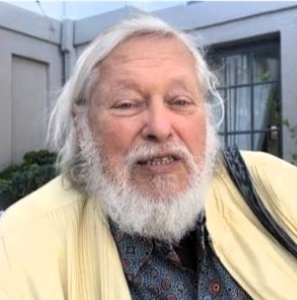
Barry Barkan
Barry Barkan is Co-Director of the Live Oak Project and one of the nation’s pioneering leaders in transforming the culture of aging. Nearly 50 years ago, he helped launch the first Live Oak Project in a nursing home, planting the seeds for a person-directed approach to aging that has influenced generations of culture change leaders. Today, as an elder himself, Barry brings an even greater sense of urgency to redesigning the systems that support older adults and people living with disabilities.
In 2021, Barry co-founded the Live Oak Project with the mission of reimagining, redesigning, and transforming the entire continuum of care and services from the ground up. The Connected Communities initiative is one of the project’s signature collaborations, advancing innovative, community-based models that foster connection, purpose, and well-being.
Barry is also the founder of the Pioneer Network, a national organization that helped redefine long-term care by championing person-directed practices, dignity, autonomy, and meaningful relationships. He later founded the Live Oak Institute to educate and equip leaders, caregivers, and organizations to create compassionate, life-affirming communities.
Throughout his career, Barry has inspired a movement that challenges traditional models of care and promotes collaborative solutions that honor the strengths, voices, and aspirations of every individual. His vision continues to shape the future of aging, disability services, and community transformation.
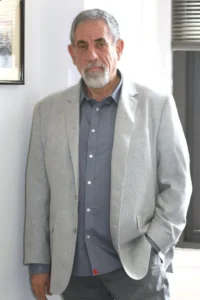
Jack Kupferman
Jack is the Chief Catalyst Officer of Gray Panthers NYC, an organization with a storied history of ensuring the rights and programs for all who are aging, especially older persons themselves. Importantly, he is proud to be the co-focal point of the Stakeholder Group on Ageing at the United Nations.. He leads and/or participates in numerous important initiatives, such as ensuring that the concerns of older persons are included in global frameworks at the United Nations (Sustainable Development Goals; Human Rights of Older Persons; Innovative approaches for older persons in the least developed countries); working toward better enforcement of violations against nursing homes; addressing explicit and institutional manifestations of ageism; reminding emergency planning efforts (at the local and global level) to include older persons; working toward intergenerational solidarity, and much more. He is the 2020 awardee of Colgate University’s highest honor – the Colgate Humanitarian Award.
Jack received his college degree from Colgate University and his law degree from Brooklyn Law School. A New Yorker by birth and choice, his childhood was spent at the family owned and run rest home for the elderly in Rockland County, NY. This is where the seeds of his passion were sown.
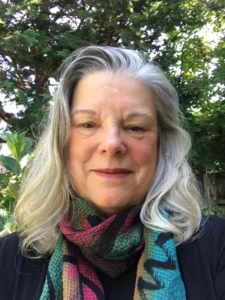
Joanne Rader
Joanne Rader, R.N., M.N.,has worked as a nurse in long term care for over 50 years and taught nursing at Oregon Health and Sciences University for 20 years. As a nurse clinical specialist, professor and researcher, she focused much of her work on caring for persons with dementia and their caregivers. She worked to reduce the use of physical restraints, inappropriate psychoactive medications, and defensive, self-protective behaviors during bathing for persons with dementia. Her books, Individualized Dementia Care: Creative, Compassionate Approaches and Bathing Without a Battle, won American Journal of Nursing Book of the Year Awards. She is a founding member of the Pioneer Network, an organization working to change the culture of aging in America and Live Oak Project, a group of advocates working to reimagine, redesign and transform Long-term Care Services and Supports so that each person can thrive. Currently, she works as an independent consultant and babysitter for grandchildren.
Rick Gamache
Rick Gamache, MS, FACHCA, is Chief Executive Officer of Aldersbridge Communities, a not-for-profit continuum of care for older adults across Rhode Island.
He’s been continuously employed in aging services since 1981 and has worked for organizations large and small, publicly traded, privately-owned and everything in-between. His career has been equally split between for-profit and not-for-profit companies and has included multi-site management of nursing homes and assisted living communities in four states, a home care organization, in-patient hospice, in-patient acute rehab, out-patient rehab, and the creation of the first two senior-friendly emergency departments in New England. He’s also survived four corporate mergers and/or acquisitions.
He teaches courses in leadership and long-term care at RI College, serves on the board for Leading Age RI and the RI Quality Institute and served as past chair of The Eden Alternative and the RI Health Care Association. He is a member of the Live Oak Project and the Moving Forward Coalition, both dedicated to transforming long-term services and supports in America.
He was recently appointed by the Governor of RI to the Board of Examiners for Nursing Home Administrators.
In 2024, he received the Public Service Award from the American College of Health Care Administrators.
Cathy Lieblich
Susan Ryan
Susan Ryan serves as Chief Executive Officer of AgingIN, leading the organization’s mission to fundamentally transform eldercare in America and around the world. She focuses on advancing person-directed care, small-home eldercare models, culture transformation, and sustainable nonprofit leadership. Susan works closely with national partners, providers, policymakers, and advocates to drive systemic change across long-term care and home- and community-based services.
With more than 35 years of experience in aging services, Susan is an internationally recognized leader in long-term care reform. She joined The Green House Project in 2008 and has played a central role in advancing small-home models as person-directed alternatives to traditional nursing homes. Throughout her career, she has contributed to major culture-change initiatives, including efforts to eliminate the use of inhumane physical restraints and expand access to home- and community-based services (HCBS). Her work bridges frontline practice, operational leadership, and national advocacy.
At AgingIN, Susan guides the strategic vision and operational sustainability of the organization and its affiliated initiatives, including The Green House Project and Pioneer Network. She supports innovation, education, and partnership development to ensure providers have practical tools and evidence-informed strategies to implement meaningful change. Her leadership strengthens AgingIN’s impact while maintaining the long-term viability of its nonprofit mission and business lines.
Susan holds a Master of Arts in Management of Aging Services from the University of Maryland, Baltimore County and a Bachelor of Science in Nursing from Southern College in Collegedale, Tennessee. She is passionate about building a future where every elder receives high-quality care in the setting of their choice.
Joseph J Ranni
Joseph J. Ranni is in private practice as a civil rights litigator of 38 years, representing older adults and people with disabilities. The practice includes discrimination, guardianship/power of attorney/health care proxy, and financial and personal planning to age in place to avoid congregate care. He was admitted to practice in New York, New Jersey, Florida, and Pennsylvania, having graduated from Brooklyn Law School in 1987 and received his LL.M. in Elder Law from Stetson College of Law, FL, in 2014. Joe J is also a certified dementia practitioner and has completed two certificate programs from the University of Rochester Medical Center and Finger Lakes Geriatric Center on aging, health policy, and palliative care.
Joe J.’s pro bono activities include decades of work with independent living organizations, and he is currently board chair of the Independence Square Housing Development Fund and past chair of Independent Living Inc., which provides community-based supports and services for people with disabilities.
Joe J is active in the NYS Bar Association as a former Co-Chair of the Disability Rights Committee and a member of the Health Law and Elder/Law Special Needs Sections, focusing on long-term care, accommodative housing, and guardianship reform. Joe is currently involved in a pro bono effort to address accommodative housing options, and innovation focused upon supporting the symmetries of cognitive and functional challenges rather than disparities based upon type or age of onset in order to age in place successfully.
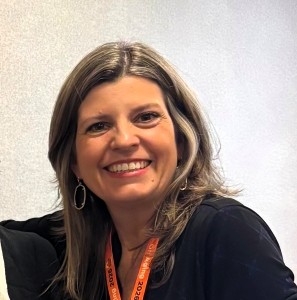
Michelle Daniel
Michelle Daniel, NHA, MHA, CFRE serves as President and CEO of the Eden Alternative, a global nonprofit dedicated to transforming the culture of aging by improving the well-being of elders and those who care for them. With more than 30 years of experience in long-term care, Michelle has served in leadership roles across skilled nursing, assisted living, and ICF/IID communities in Mississippi, Texas, Tennessee, and Louisiana.
A Licensed Nursing Home Administrator, Michelle holds a Bachelor of Arts in Psychology and a Master of Health Administration. She has spent more than a decade as an Eden Alternative Educator, helping organizations implement person-directed care practices that foster meaningful relationships, purpose, and quality of life.
Throughout her career, Michelle has been guided by a commitment to transforming aging services through leadership development, education, advocacy, and culture change. Under her leadership, the Eden Alternative continues its mission to eliminate loneliness, helplessness, and boredom by empowering organizations to create communities where people of all ages and abilities can thrive.
Michelle is passionate about building collaborative partnerships, advancing innovative approaches to care, and equipping leaders with the tools to create compassionate, connected, and resilient communities that honor the dignity and individuality of every person.
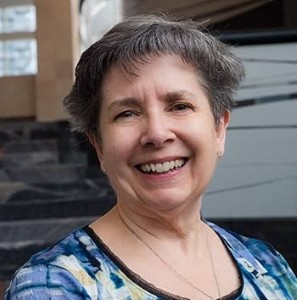
Denise Hyde
Denise Hyde, Pharm.D. has been a leader in the culture change movement since 1997, when she joined the Thomas Fitzgerald Veterans Home in Omaha, Nebraska. The organization was implementing the Eden Alternative®, an experience that inspired her lifelong commitment to transforming the culture of aging and improving the lives of Elders through person-directed care.
As a pharmacist, Denise recognized the important role healthcare professionals play in creating more humane, relationship-centered communities. Since 1998, she has supported organizations implementing the Eden Alternative as an Eden Mentor, Eden Educator, Regional Coordinator, Community Builder, and now as the Eden Alternative Membership Engagement Guide.
From 2005 to 2009, Denise worked with Nebraska’s Quality Improvement Organization, leading both culture change initiatives and Medicare Part D projects. In 2009, she collaborated with fellow Eden Mentors to develop The Path to Mastery: The Art of Creating a Caring Community, a resource for the Eden Alternative Registry. In 2022, she helped expand and reimagine this work into the Eden Member Tracks & Practices, a comprehensive implementation guide that supports organizations in adopting person-directed care best practices.
Denise also served on the expert panel for the CMS and Pioneer Network initiative, Creating Home in the Nursing Home II: A National Symposium on Culture Change and the Food and Dining Requirements, helping shape national conversations on improving quality of life in long-term care.
A founding member of Nebraska’s culture change coalition, Denise has presented locally and nationally on person-directed care, culture change, and organizational transformation. Throughout her career, she has remained deeply committed to helping organizations create meaningful, life-affirming communities where Elders can thrive.
This version is more concise, reads like a professional executive biography, and emphasizes Denise’s national leadership while eliminating repetition.
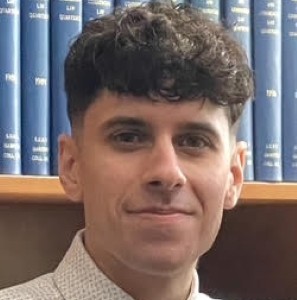
Joe A. Ranni
Frequently Asked Questions
What is the definition of a Connected Community?
A ‘Connected Community’ includes comfortable housing in a range of configurations and designs that are affordable for all, and which includes ready access to supportive personal care services and health care for those who need it.
To combat age- and ability-segregation, Connected Communities include independent living for those who need no support and who are not older adults, which could include housing for people who work in the Connected Community providing services for those who do need support. A Connected Community also offers assisted living and skilled care, including for those living with cognitive impairment. The physical design includes green spaces and places to gather inside and outside for events. Day-to-day living in Connected Communities is integrated with broader community life.
Why are we talking about Connected Communities and who is our intended audience?
Researchers, advocates, policymakers and experts know from decades of work that community is the solution for older adults and those living with disabilities — just as it is for everyone else. It’s quite clear that no one wants to live in an institutional nursing home or any other quasi-medical health care facility cut off from the broader community.
Our intended audience consists of experts and advocates who are strongly motivated to improve their regions by adapting them for longevity. We strive to see beyond only one or two aspects of the aging ecosystem, e.g., how to mitigate social isolation or help family caregivers. Rather, we aspire to something broader: Empowering those who are committed to assembling local groups of interested stakeholders willing and able to outline the parameters of a Connected Community in their own regions.
We’re compiling the evidence and operational practices and protocols that exist in pockets around the country and leveraging this knowledge to design templates and toolkits for use by local champions. Eventually, we plan to organize a research and demonstration program (what we previously referred to as the EINSTEIN Option) to synthesize data from multiple parallel initiatives. We are poised to bring this work forward, even as the U.S. gets ready to cut a trillion dollars out of the health care economy during the next decade and the number of older adults explodes. Succeeding in this environment requires major innovation and serious commitment.
We are asking local champions to help us create new forms of social housing that spurs investment and economic development in areas that need and welcome it – leaders who can help braid and align public program dollars with private investment from multiple sources.
For example, Program of All-Inclusive Care for the Elderly (PACE) organizations could evolve to work with more individuals living with physical disability and/or intellectual and developmental disabilities. PACE programs could be responsible for health services while supportive services are organized with self-direction and flexible budgets that leverage the household-level organization of unlicensed supportive services. Disability advocates are currently pioneering ownership approaches under which households and suites could be built for mixed-generation households, e.g., parent/adult child supportive living.
What is the framework of a Connected Community?
We are working to design and build this framework now. We have begun to identify and study communities that operate elements of the continuum. A wealth of knowledge exists to define various aspects like the many “culture change” communities operating from a foundation of person-directed living principles. There are financing models, governance protocols and quality measurement tools to be refined and aligned.
What is the return to society and to investors?
Developed with a co-op model of governance, Connected Communities can build home equity at the neighborhood level. Incorporating accessible middle market housing with services as part of the model may also delay or prevent Medicaid spend down. Private investors and philanthropic supporters can contribute to the capital stacks necessary to build Connected Communities. Ongoing operations would be governed by cooperative agreements between major players with a strong commitment to high-quality performance.
We seek innovative affordable housing developers ready to align with partners like PACE who manage predictable and transparent Medicaid and Medicare spending. Local leaders with complementary talents, knowledge, connections and funding can steward the development of a Connected Community as a shared asset belonging to the whole community – not a private club or a gated community.
The return to society includes allowing older adults and individuals with disabilities to enjoy their lives and continue to participate in society in more robust ways. Rather than being segregated and confined to associate only with other older adults or individuals with disabilities, individuals would truly age in community. The workforce to support Connected Communities would fuel economic development for the area. Sustainability is tied to the ongoing flow of publicly financed health care programs and social service and housing programs, as well as private investment from individuals and families.